
Uncategorized

The evolution of Mazda

Mazda is a name that has become synonymous with progress and innovation. Over the years, the Japanese automaker has faced numerous challenges, but it has overcome them with sheer persistence and a commitment to excellence. From humble beginnings to becoming one of the top competitors in the global automotive market, Mazda’s journey is a testament to how consistency and evolution can lead to success. Today, the company is making waves worldwide, and its growth story is one of transformation and innovation.
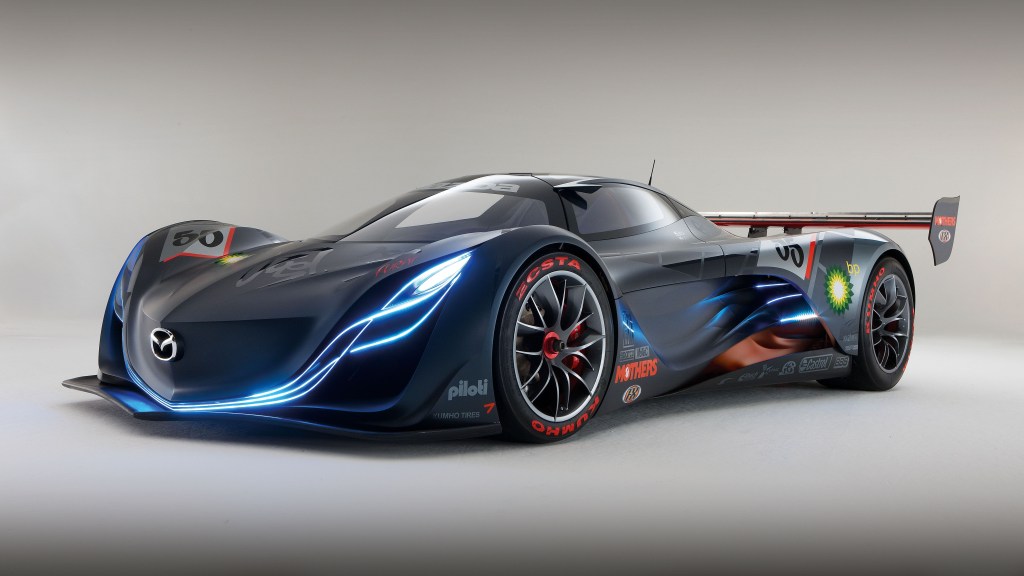
Mazda Furai

Mazda’s early years were marked by significant struggles. For a long time, the brand was criticized for engine reliability, durability issues, and subpar performance. Compared to its competitors, Mazda was often rated lower in crucial areas such as engine efficiency, longevity, and design. This left the company with a steep uphill climb in a competitive market where established brands like Toyota, Honda, and others dominated.

Despite these setbacks, Mazda remained undeterred. Instead of resting on its laurels, the company took these challenges as opportunities to learn, improve, and innovate. Rather than trying to replicate what competitors were doing, Mazda chose to forge its own path, eventually resulting in the company’s remarkable turnaround. The breakthrough moment for Mazda came in 2014, marking the beginning of a new era for the brand.

One of the most significant changes Mazda introduced was its new design philosophy. The brand reinvented its visual identity, embracing a sleek, modern, and distinctive design language. The result was vehicles that stood out on the road, with bold lines, elegant curves, and an emphasis on dynamic aesthetics.

The company’s new design philosophy wasn’t just about looks; it was about creating cars that were fun to drive, efficient, and ergonomic. Mazda’s KODO design language, which means “soul of motion,” reflects the brand’s dedication to producing vehicles that embody both style and substance. This approach helped Mazda gain a competitive edge, attracting customers who were seeking more than just a car but a driving experience that was engaging and exciting.

Performance was another area where Mazda made significant strides. One of the company’s biggest innovations in recent years has been the development of its Skyactiv technology. This set of cutting-edge technologies focused on improving fuel efficiency, reducing emissions, and enhancing driving performance without compromising on safety or reliability.

Skyactiv technology includes advanced engines, transmissions, and chassis, all of which contribute to a lighter, more responsive, and more fuel-efficient driving experience. The technology also allowed Mazda to achieve impressive improvements in both power and efficiency, addressing the previous criticisms the brand had faced regarding engine performance.

With Skyactiv, Mazda was able to offer cars that combined sporty handling with excellent fuel economy, ensuring that its vehicles were both fun to drive and environmentally friendly. This blend of performance and efficiency has helped Mazda attract a new generation of customers who value both excitement and practicality in their cars.

Another area where Mazda has seen significant improvement is in the durability and lifespan of its vehicles. In the past, the company struggled with reliability issues, which contributed to its lower ratings in comparison to competitors. However, in recent years, Mazda has made substantial progress in this area. Thanks to the combination of high-quality materials, engineering advancements, and rigorous testing, Mazda’s vehicles are now known for their long-lasting durability.

Mazda’s improved reputation for durability has become a key selling point. Customers are increasingly viewing the brand as a manufacturer of reliable vehicles with a proven track record of longevity. This shift has played a critical role in Mazda’s success, especially in markets that value the importance of vehicle lifespan, such as North America and Europe.
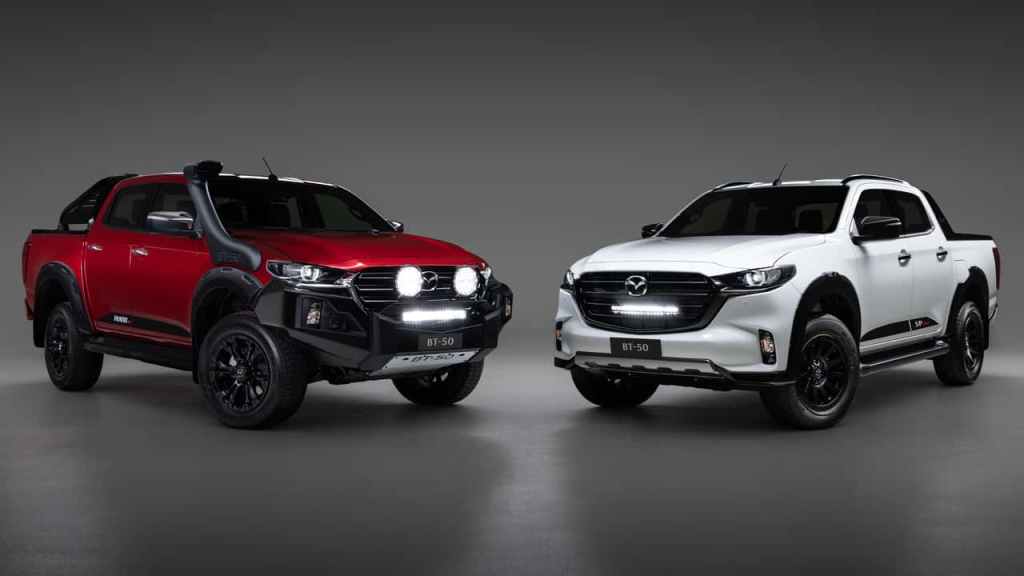
One of the key factors contributing to Mazda’s rise is its ability to make vehicles that are available globally. The company’s strong presence in diverse markets, including Africa, Asia, Australia, Canada, America, and the United Kingdom, has helped it expand its customer base and establish itself as a global brand. Mazda’s cars have become increasingly popular in both emerging and established markets, thanks to the brand’s commitment to building vehicles that cater to a wide range of preferences and needs.

The availability of Mazda’s parts and service networks worldwide has also played a crucial role in its success. Customers now have easy access to maintenance and spare parts, making ownership of Mazda vehicles more convenient and affordable in the long term.

Mazda’s resurgence in recent years has put the company in direct competition with some of the biggest names in the automotive industry. With its improved performance, reliability, design, and global presence, Mazda has made significant inroads in markets previously dominated by the likes of Toyota, Honda, Ford, and Volkswagen. The company is no longer just a small player in the automotive world but has emerged as a serious contender in the global market.

In fact, Mazda’s rise has made its competitors sit up and take notice. The company’s ability to combine high performance with low emissions, stylish design with practicality, and reliability with innovation has set a new benchmark for what consumers expect from an automobile. Mazda’s ability to challenge established brands is proof that persistence, consistency, and innovation can lead to success, even in the most competitive of markets.

Mazda’s Future Looks Bright
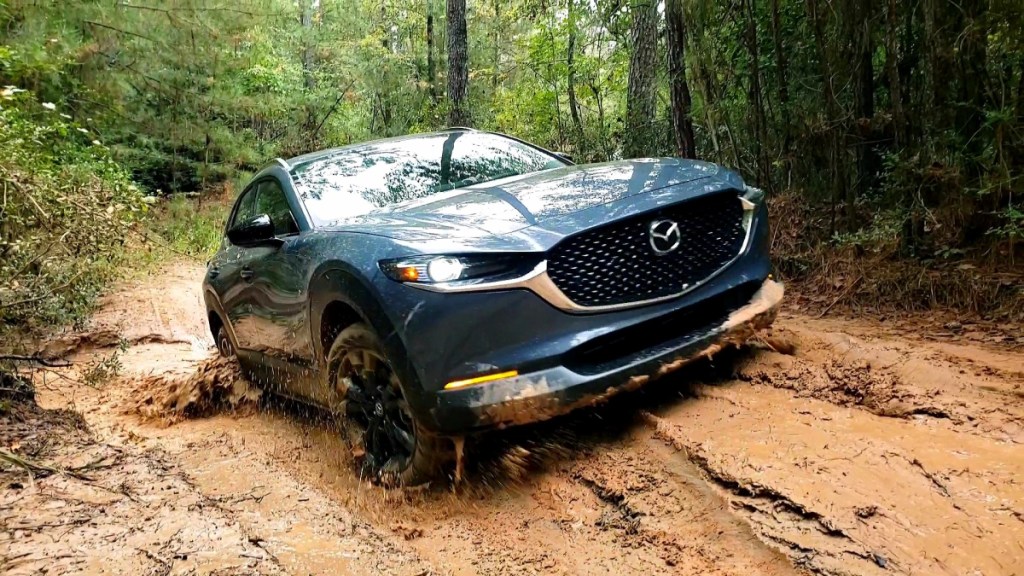
The rise of Mazda is a testament to the power of persistence, innovation, and adaptability. From its early struggles with engine issues and reliability concerns to becoming one of the top automotive brands in the world, Mazda has shown that a commitment to improvement and customer satisfaction can result in remarkable growth.

With its new design philosophy, groundbreaking Skyactiv technology, focus on durability, and strong global presence, Mazda is well-positioned to continue its upward trajectory. The brand has successfully positioned itself as a serious contender in the automotive industry, challenging its competitors and setting new standards for quality, performance, and design.
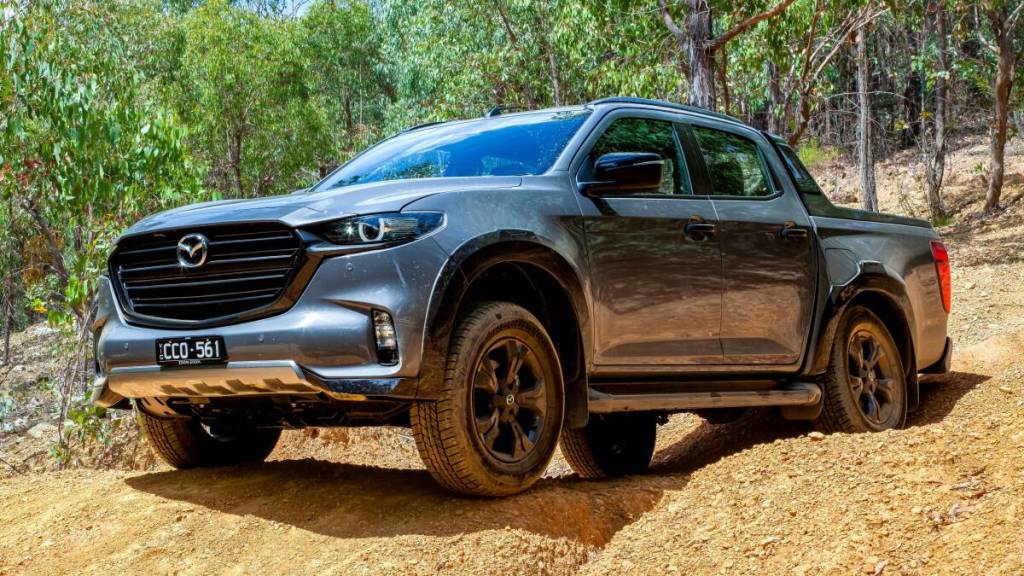
As Mazda continues to evolve, its journey serves as a powerful reminder that with the right mix of vision, hard work, and innovation, any company can rise above its challenges and achieve greatness. Mazda’s rise is far from over, and the future looks incredibly promising for this remarkable brand.
Uncategorized

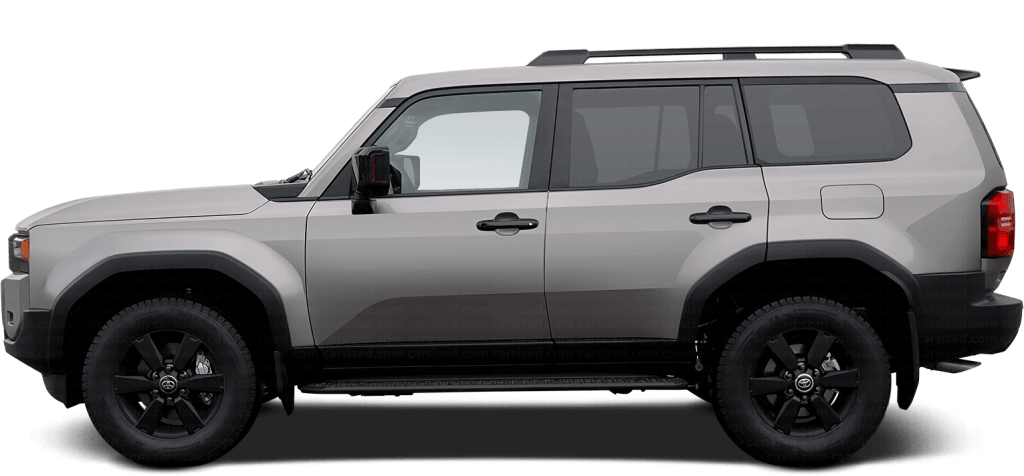
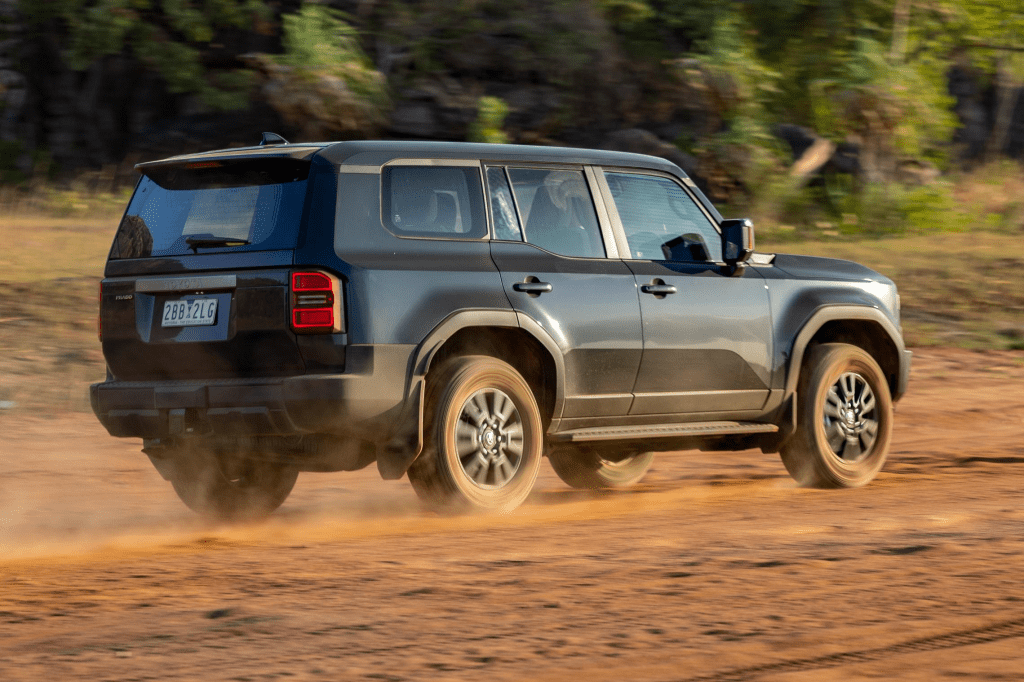
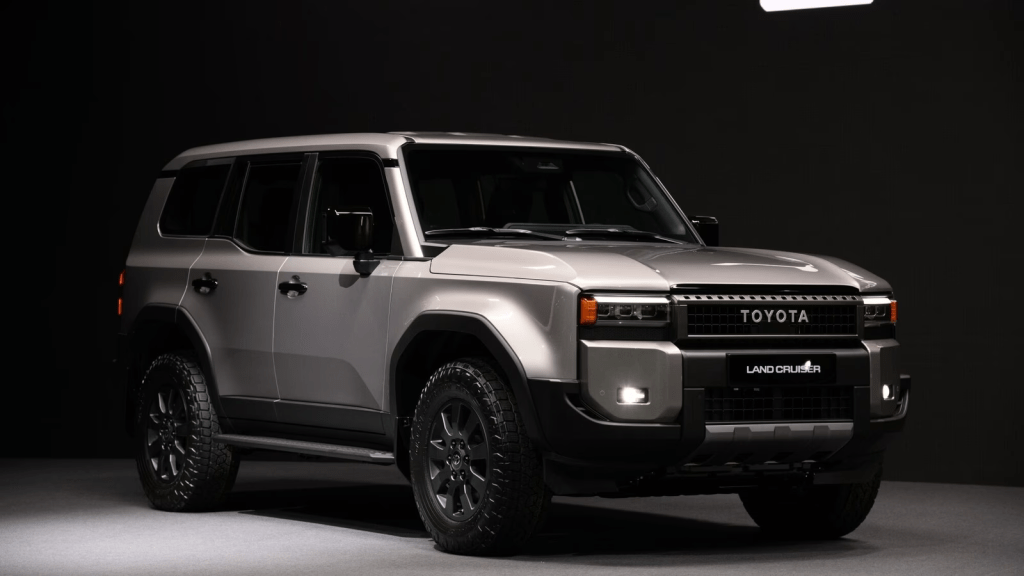
The New Toyota Land Cruiser J250: Is this actually a bold move?

The unveiling of the Toyota Land Cruiser J250 marks a significant departure from its predecessor, the J200 series. This new design showcases a sleek exterior that sets it apart from other models within the Land Cruiser lineup, aiming for a more modernistic appeal. Unlike the robust, traditional aesthetics of past iterations, the J250’s design seems tailored to compete with luxury SUVs at the higher end of the market, emphasizing both elegance and functionality.

A crucial shift in this model is the transition to a V6 engine configuration. While the Land Cruiser has historically wielded V8 engines, which are known for their power and durability, the J250 opts for a more efficient turbocharged V6. This change is purported to enhance fuel efficiency and performance, aligning with the industry’s growing emphasis on sustainability without compromising power. The new engine options, including a 2.4-liter turbocharged hybrid variant, claim impressive outputs of around 326 horsepower, reflecting Toyota’s commitment to innovation in their engine technology.

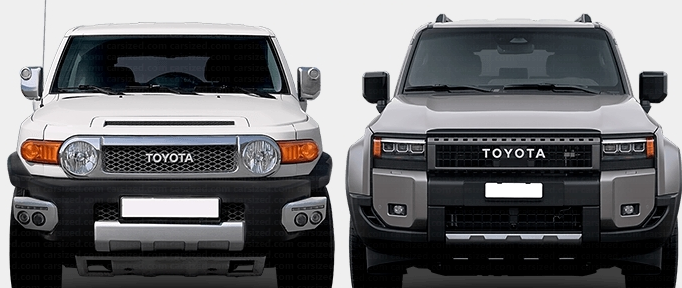
The decision to phase out the FJ Cruiser adds another layer of strategy to Toyota’s evolution. The FJ, while iconic, did not meet the growing consumer demand for more sophisticated and versatile vehicles. By focusing on the J250, Toyota signals its intent to cater to a market that values durability paired with modern comforts and advanced technology.

Yet, as we dissect the implications of the J250’s features and Toyota’s broader strategy, the real question arises: Is this a game changer? With competitors rapidly innovating in the realm of electric vehicles, the J250’s design and engineering could be seen as a precursor to Toyota’s future direction. Its adaptability to hybrid powertrains indicates a proactive approach toward evolving automotive landscapes, showcasing that Toyota is not merely a manufacturer of robust off-road vehicles but a player willing to redefine market norms.

In conclusion, while the new Land Cruiser J250 represents a bold move away from traditional designs and engine specifications, its success will hinge not just on performance, but on how well it integrates into the changing automotive ethos, particularly regarding upcoming trends in electrification and customer expectations. The J250 could very well be a landmark in Toyota’s longstanding legacy if it captures the hearts of consumers looking for a balance between tradition and modernity.

Uncategorized

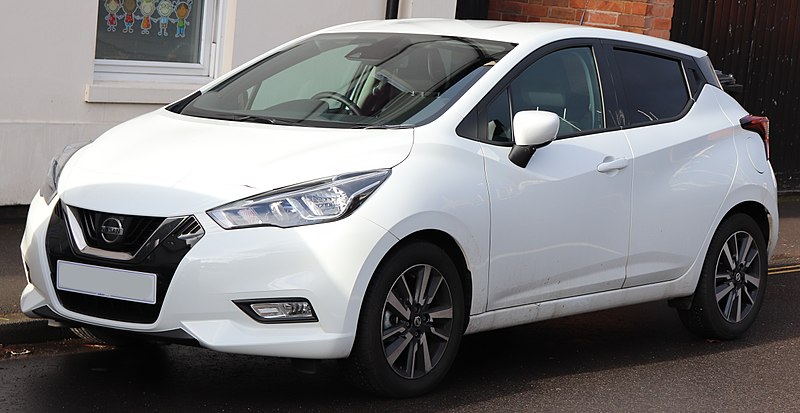
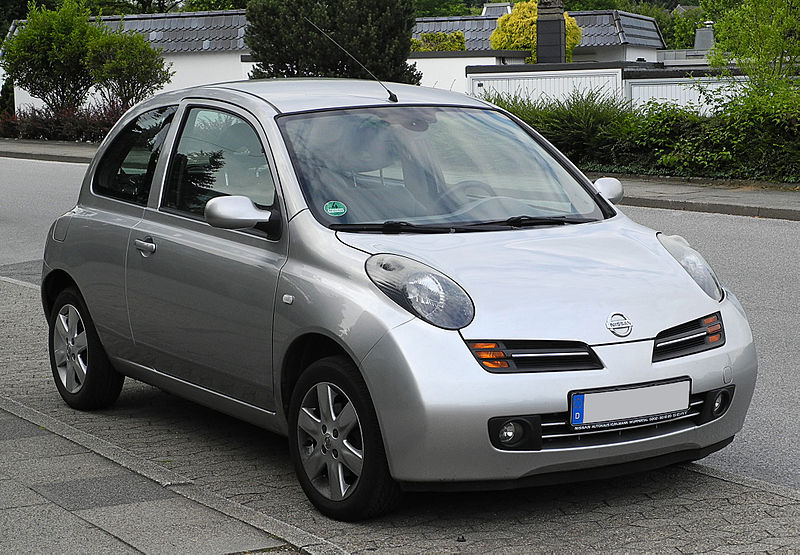
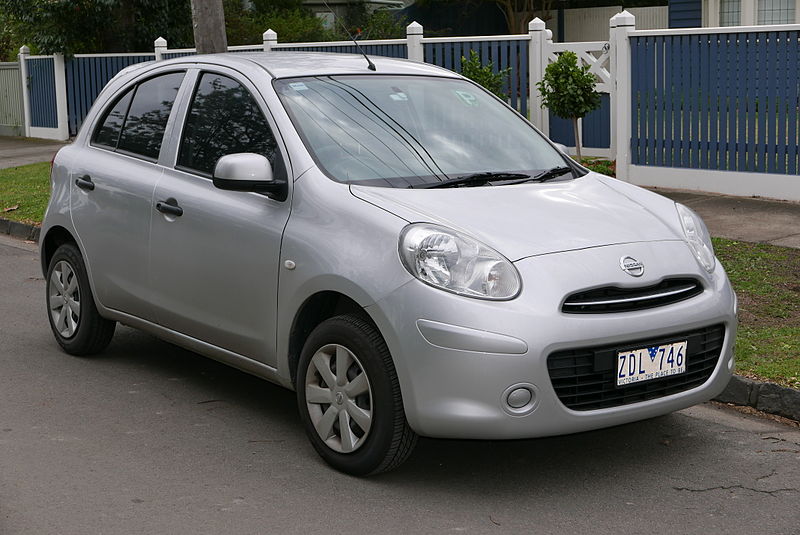
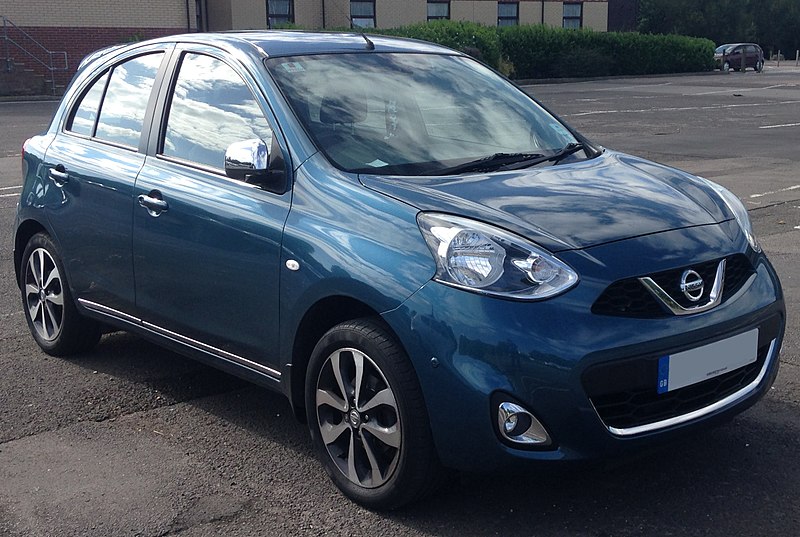
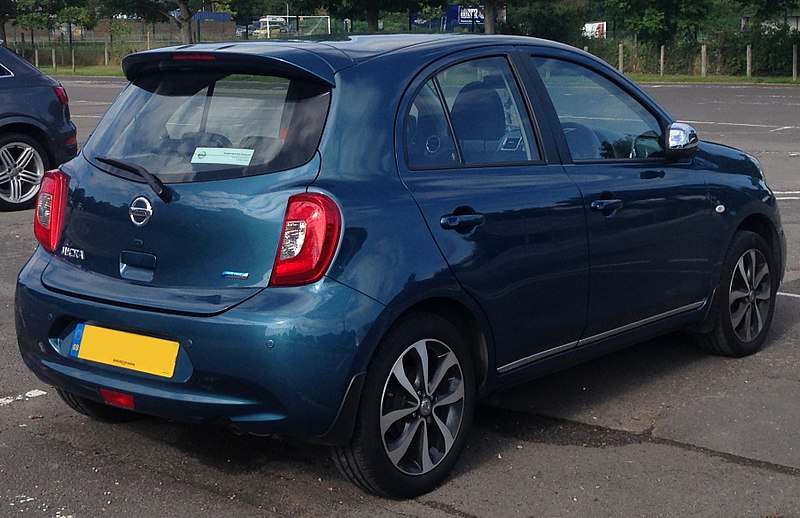
NISSAN MARCH #smallbeatsedition

The Nissan Micra , known in Latin America and in most of Asia as the Nissan March , Nissan Māchi), is a supermini produced by the Japanese manufacturer Nissan since 1982.
The Nissan Micra replaced the Japanese-market Nissan Cherry. It was exclusive to Nissan Japanese dealership network Nissan Cherry Store until 1999 when the “Cherry” network was combined into Nissan Red Stage until 2003.
Until Nissan began selling badge engineered superminis from other Japanese manufacturers, the March was Nissan’s smallest vehicle, and was not renamed and sold at other Japanese Nissan dealership networks.

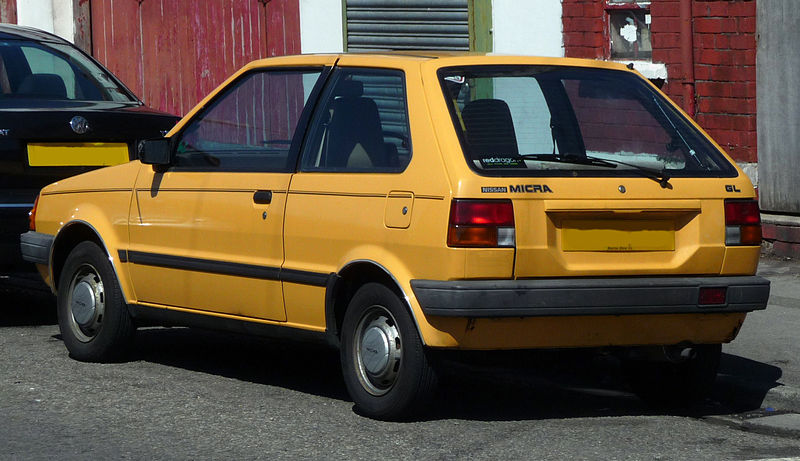
First generation (K10; 1982–1992)


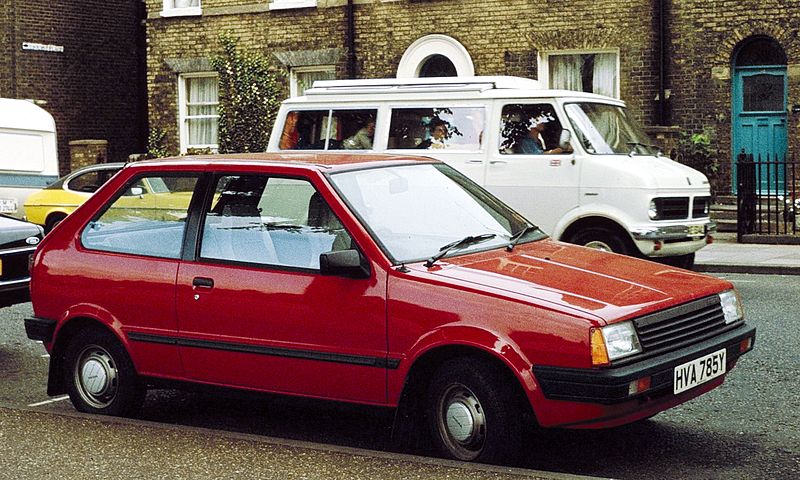
The original Micra (chassis name K10) was introduced onto the Japanese market in October 1982 as a challenger to the Honda City, Daihatsu Charade, Suzuki Cultus, and Toyota Starlet.
It was intended to replace the Nissan Cherry as the company’s competitor in the supermini sector, as the Cherry model sold in Europe had progressively become larger with each successive generation.
In Japan, it was exclusive to Nissan Cherry store locations, as the Japanese market Cherry was renamed March, benefiting from engineering contributions from Nissan’s 1966 acquisition of the Prince Motor Company, who originally developed the outgoing Cherry.
The Micra had particularly low fuel consumption made possible by a specially developed engine only used in the Micra, an uncommonly high gearing, and a particularly low weight: only 630 kg (1,389 lb) in early European trim.
The low weight target necessitated a minimum of insulation, meaning that early Micras were quite loud.


Second generation (K11; 1992–2002)


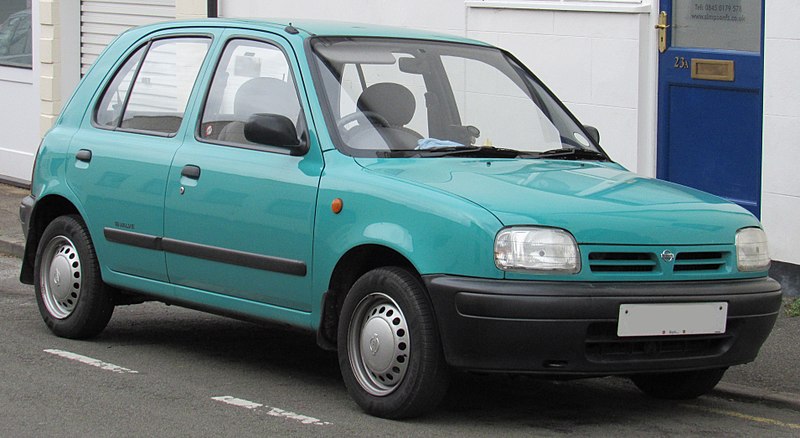
The second-generation K11 was built in the UK, Japan and Taiwan. It was launched in Japan on January 1992, and released in Europe in the fourth quarter of the year.
It was powered by brand new all-aluminium 1.0 L (CG10DE) and 1.3 L (CG13DE) DOHC 16-valve engines, with 55 PS (40 kW; 54 hp) and 75 PS (55 kW; 74 hp) respectively (higher outputs were claimed in Japan, according to the JIS rather than DIN/ECE rating), both with ECCS (Electronic Concentrated Control System) fuel injection.
It was the second Nissan model line to be produced in the UK at the Nissan Motor Manufacturing UK (NMUK) plant, Washington Tyne and Wear.
A diesel version was offered with the 1.5 L PSA TUD market in Europe as Micra 1.5 D. CVT automatic transmission and Power steering was an option on some models, and the equipment list included safety features not usually available in this market segment: a toughened safety-cage and side-impact door beams were standard and pre-tensioning seat-belts and a driver’s air-bag were optional.
However, the Mk2 Micra scored only a modest two stars in Euro NCAP testing in 1997.[10] Airbags, antilock brakes, electric windows, central locking and air conditioning were as either standard equipment or options on some models in the Micra range.
The European model range consisted of 1.0L and LX, 1.3LX, SLX and Super S. The car soon won the European Car of the Year award for 1993 (the first Japanese car to do so) and the Good Design Award (a Trade and Industry Design award in Japan) along with the Car of the Year Japan award in 1992.
At its introduction in 1993, it won the Automotive Researchers’ and Journalists’ Conference Car of the Year award in Japan. Having won several awards, Nissan manufactured the V3 Award edition.

Third generation (K12; 2002–2010)


The next version of the Micra, the K12, was unveiled in production form at the 2002 Paris Motor Show,following the lines of the Nissan mm.e concept car presented the year before at the Frankfurt Motor Show.
It was introduced to the Japanese market in February 2002 and to the European market at the end of 2002.,
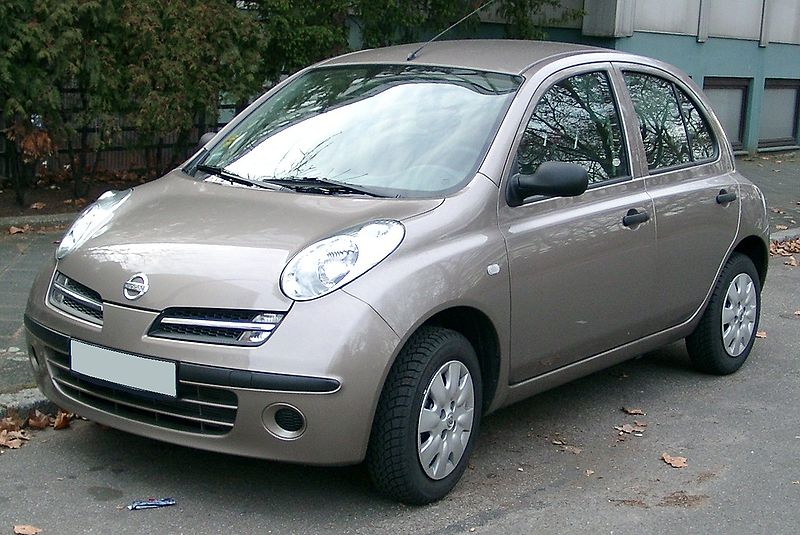
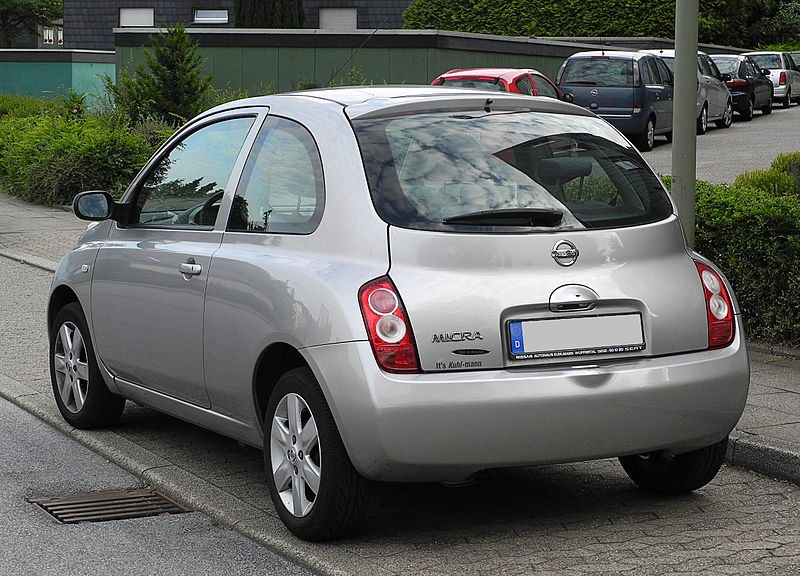
The car was radically redesigned: it featured a new, 70 mm longer wheelbase (developed with Renault) and an even more curvy exterior that was taller and slightly wider.
Its most distinctive feature was a pair of prominent headlamps that extended to the wing-tops.
The redesign coincided with the Japanese Nissan dealership network Nissan Cherry Store being renamed Nissan Red Stage in 1999.
Other additions included a sliding rear seat and the option of keyless ignition on higher specification models.
The range of engines included improved 1.2 (CR12DE) and 1.4 (CR14DE) petrol models, and a Renault-sourced 1.5 diesel unit (K9K).
The automatic CVT transmission of the previous model was replaced by a conventional automatic transmission

Fourth generation (K13; 2010–2017)


The first sketches of the fourth generation Nissan Micra, first referred to as W02A and later in Nissan press releases as K13, were unveiled on 1 October 2009.[60][61][62]

The Nissan Micra K13 was unveiled at the 80th International Geneva Motor Show.[63][64]

It was sold in more than 160 countries, including Thailand from March 2010, India from July 2010, Europe from November 2010, and Indonesia from December 2010.
It was the first March/Micra to be built in a North American plant, even though this generation did not have any sales in the United States. The K13 was however available in Canada after the spring of 2014.
Nissan March
The Nissan March was unveiled at the 2010 Bangkok International Motor Show, followed by 2010 Beijing International Automobile Exhibition, followed by Nissan Global Headquarter gallery.

The Japanese model went on sale on 13 July 2010.[72] Early models include 1.2L 3-cylinder HR12DE engine, Xtronic CVT with an auxiliary two-speed transmission, Idling Stop (standard on 12X and 12G)

Uncategorized

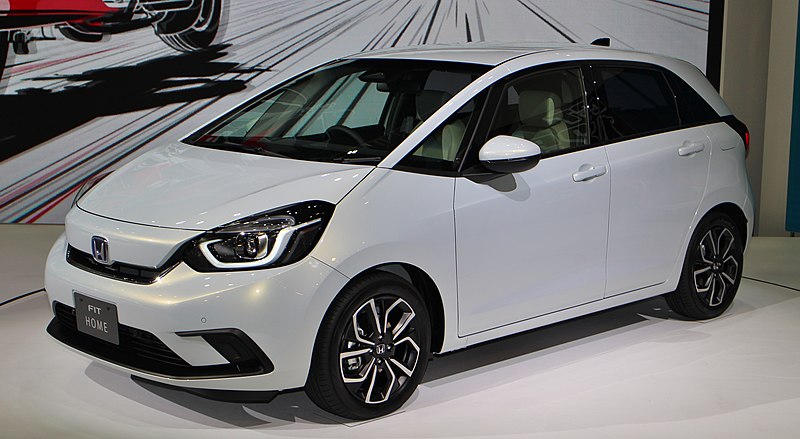
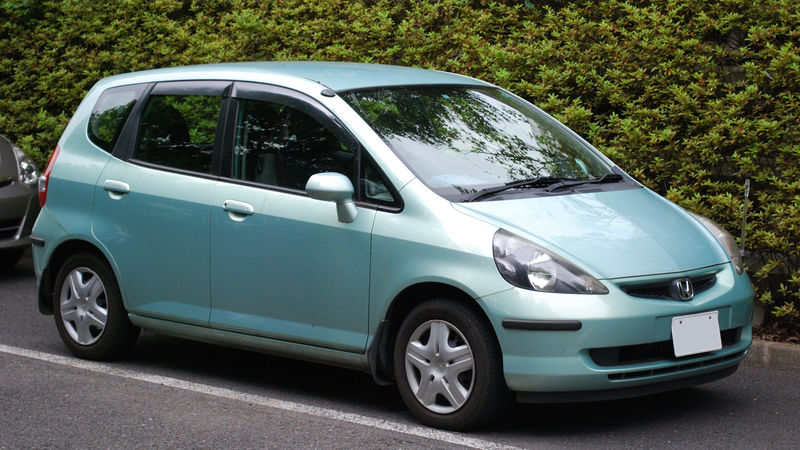
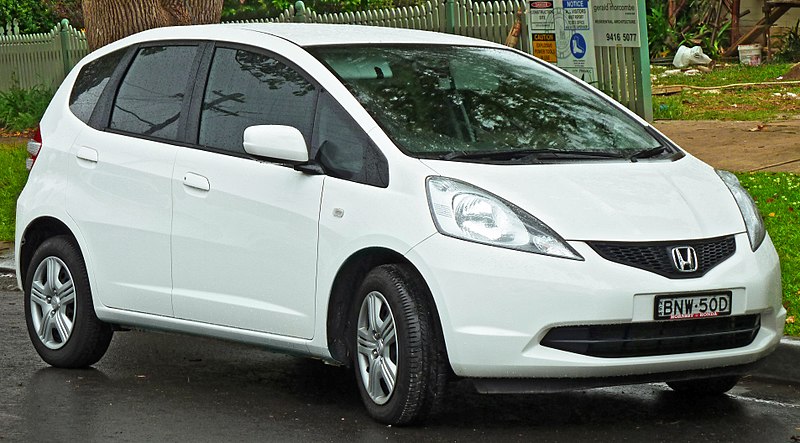
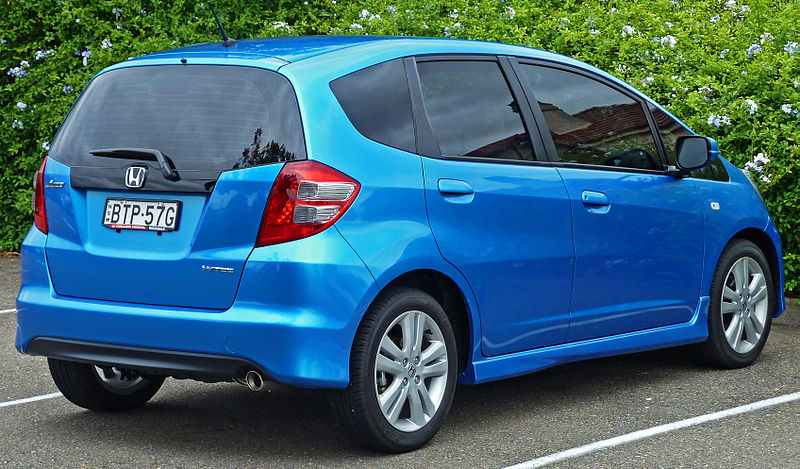
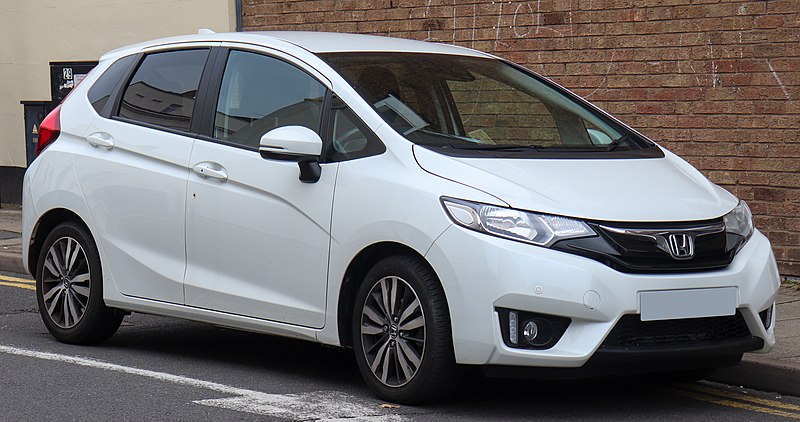
THE HONDA FIT. #smallbeastsedition

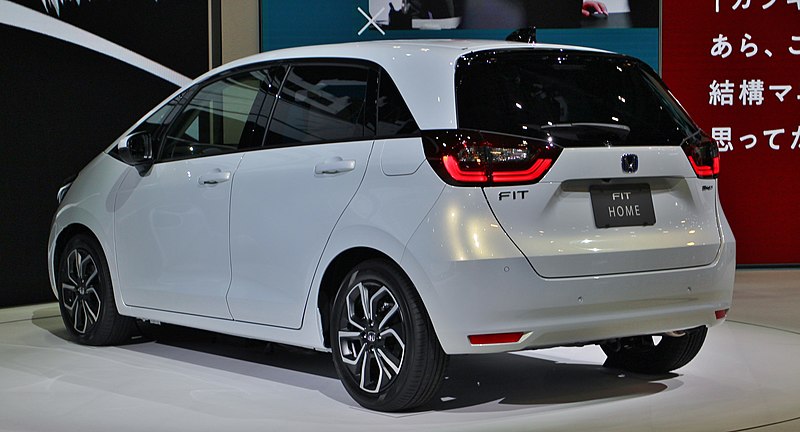
The Honda Fit also marketed as the Honda Jazz, is a five-door B-segment supermini manufactured and marketed by Honda since 2001 and now in its fourth generation. Marketed worldwide and manufactured at ten plants in eight countries, sales reached almost 5 million by mid-2013.
Sharing Honda’s global small car platform with the City, Airwave, first generation Mobilio and Freed, the Fit is noted for its one-box or monospace design and its re-configurable interior—with a cargo volume competitive to larger vehicles.

First generation 2001-2008

First generation also marketed as the Honda Jazz, is a five-door B-segment supermini manufactured and marketed by Honda since 2001 and now in its fourth generation.

Marketed worldwide and manufactured at ten plants in eight countries, sales reached almost 5 million by mid-2013.
Sharing Honda’s global small car platform with the City, Airwave, first generation Mobilio and Freed, the Fit is noted for its one-box or monospace design and its re-configurable interior—with a cargo volume competitive to larger vehicles.

Honda released hybrid petroleum-electric versions of the Fit in Japan in October 2010 and in Europe in early 2011.

Honda released the Fit EV, a limited production all-electric version, in the United States in July 2012 and in Japan the following month.

By 2012, Honda Fit was produced in 12 countries, including Japan, Brazil, China, India and Indonesia.


The Fit debuted in June 2001 in Japan, winning the Car of the Year Japan Award.

By December 2001, it had outsold the Toyota Corolla, and ranked first in sales for nine out of twelve months in 2002.

It subsequently was introduced in Europe (early 2002), Australia (late 2002), South America (early 2003), South Africa and South-East Asia (2003), China (September 2004), and Mexico (late 2005).

The Fit’s fuel tank under the front seat and compact rear suspension have enabled the rear seats to fold especially low, creating a flexible and regularised cargo volume that is large for its class.


Second generation (2007–2014)


The second generation Fit/Jazz debuted on October 17, 2007 at the 40th Tokyo Motor Show.

At its introduction in 2007, it won the Car of the Year Japan Award for the second time. The vehicle offered a longer wheelbase than its predecessor and is wider and longer overall.

Overall height is unchanged, while interior height increased by .3 in. Multi-mode seating and cargo configurations were retained (US models were no longer capable of Refresh/Relax Mode until the following gen), with redesigned headrests enabling more convenient folding of the rear seats.

The cabin featured greater interior volume, and boot capacity decreased from 21.3 to 20.6 cubic feet

Two engines were offered in the second generation Fit. A 1.3 L (82 cu in) i-VTEC produces 100 PS (74 kW) at 6,000 rpm and 127 N⋅m (94 lbf⋅ft) at 4,800 rpm.

This engine was offered in both European and Asian markets. A 1.5 L (91 cu in) i-VTEC engine was also offered and produces a maximum output of 120 PS (88 kW) at 6,600 rpm and 145 N⋅m (107 lbf⋅ft) at 4,800 rpm.

This was the only engine available in the American market, in addition to being available in several Asian markets including Japan and Malaysia.

A five-speed manual, five-speed automatic (4WD only) and CVT transmission were available.

The chassis was reengineered, with structural rigidity increased by 164 percent over the first generation Fit.


The Jazz hybrid was launched in Thailand in July 2012,[59] the first hybrid in the country’s sub-compact market.[60] First time buyers of the car were eligible for Thai government’s first car tax rebate.

The hybrid model is assembled in Thailand.New model of Fit Hybrid was launched in Japan in 2013. It is equipped with Honda’s next-generation sport hybrid i-DCD system that combines a 97 kW (130 hp), 156 N·m (115 lb·ft) 1.5-liter direct injection engine combined with a 22 kW (30 hp) 160 N·m (118 lb·ft) Honda H1 motor. Powertrains are shared with Honda Vezel and Honda Grace Hybrid.


Third generation (2013–present)


The third generation Fit/Jazz retains the overall design concept of previous generations, notably the center-located fuel tank and multi-configuration interior concept, marketed as Magic Seating.

Honda’s all-new “Global Small Car Platform” employing ultra-high strength 780 MPa yield steel for 27% of its bodywork — and a shorter overall length (-1.6 inches), longer wheelbase (+1.2inch) increased rear legroom (+4.8 inches) and increased passenger volume (+4.9 cu ft) compared to its previous generation.[96]

Body panels are both welded and bolted to the frame in a hybrid monocoque and spaceframe fusion — and rear torsion beam suspension is more compact, no longer using an anti-sway bar to maximize interior and cargo space.The HR-V shares its platform with the Fit.


Fourth generation (2020–present)


The fourth generation Fit/Jazz was unveiled simultaneously on October 23, 2019 in Japan at the 46th Tokyo Motor Show and Amsterdam, Netherlands at the ‘Electric Vision’ event.[108][109][110] It was launched in Japan on February 13, 2020 and went on sale on the following day. Trim levels for the Japanese market Fit are Basic, Home, Ness, Crosstar and Luxe.

Uncategorized

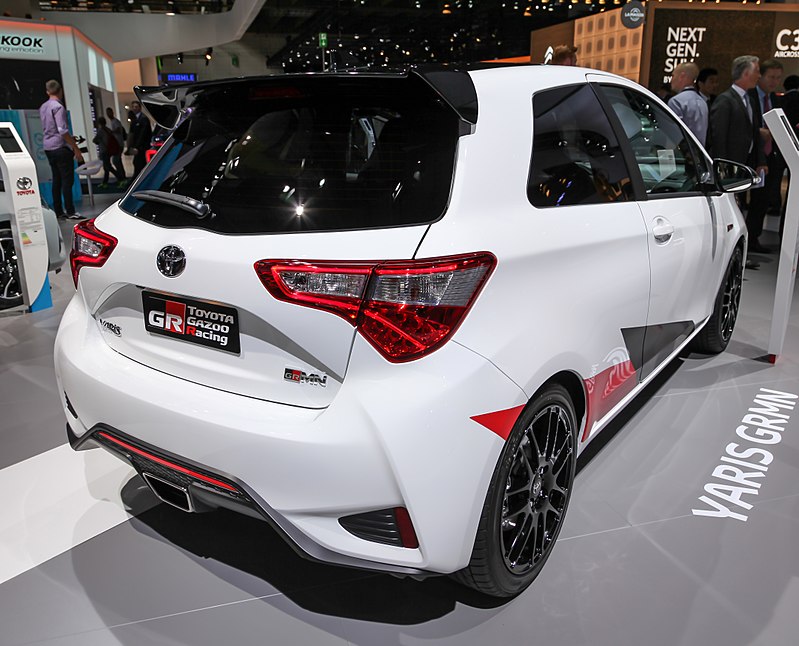
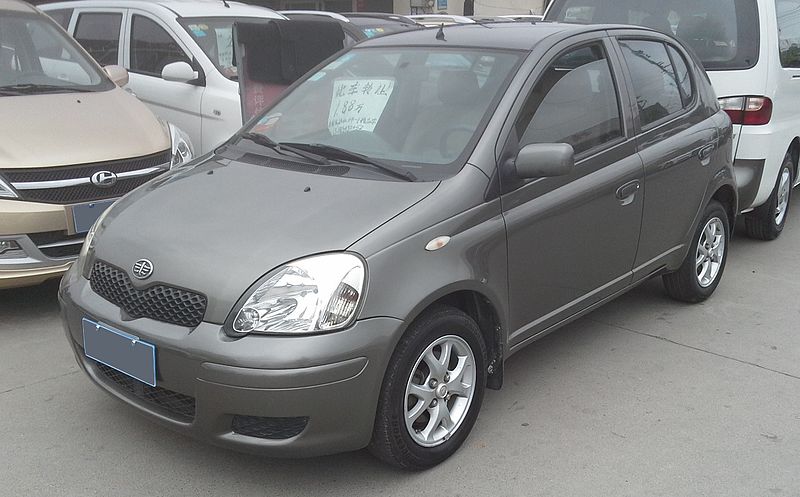
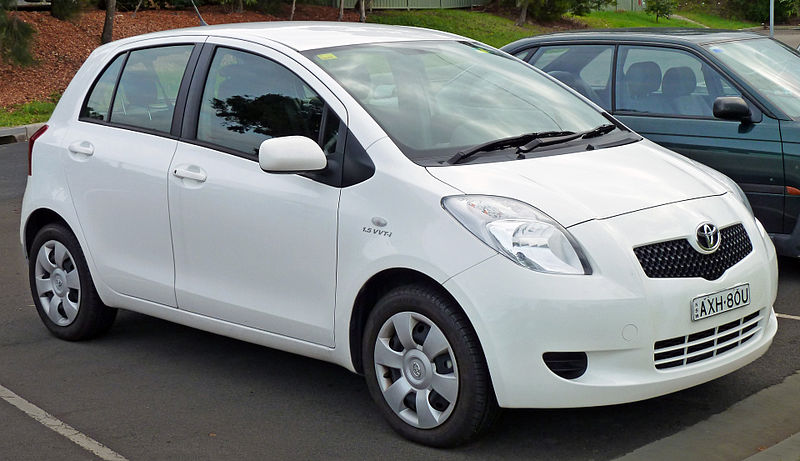
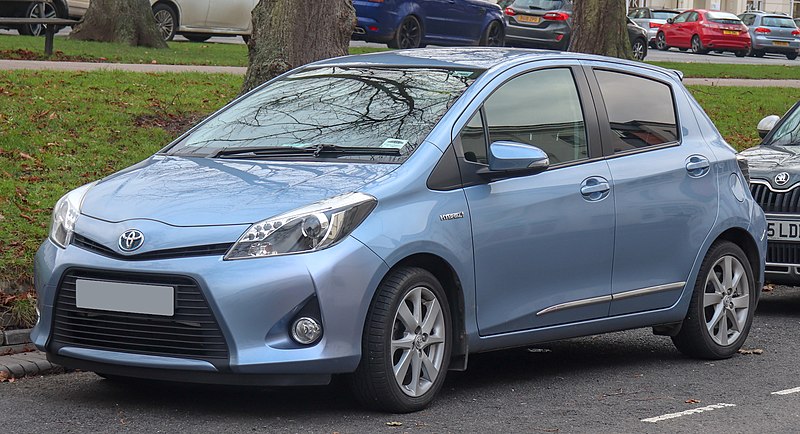
TOYOTA VITS #smallbeastsedition

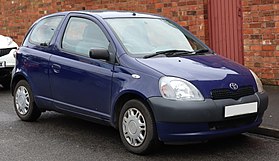
The Toyota Vitz is a line of three- and five-door hatchback subcompact cars that was produced from 1999 until 2019 by the Japanese automobile manufacturer Toyota. Throughout its production, the name “Vitz” nameplate had been used consistently in Japan, with most international markets received the same vehicle under the Toyota Yaris name, or formerly as the Toyota Echo in some markets for the first generation. The Vitz was available in Japan from Toyota’s Netz Store dealerships.

Vits GR edition

First generation (XP10; 1999–2005)

The first generation XP10 series Vitz was designed by Sotiris Kovos at Toyota’s ED2 studio in Europe.

It was first unveiled at the 1998 Paris Motor Show. Production began in late 1998,[8] with a Japanese on-sale date of January 1999; European sales commenced two months later as the “Toyota Yaris”.

When introduced to Australasia in October 1999, the “Toyota Echo” name was used,as was the case in Canada when released there in 2003 for the 2004 model year.

The “Echo” and “Yaris” names were also given to the export version of the related Japanese market Toyota Platz sedan,also available as a coupé in North America.

Often sold alongside the hatchback and marketed as a single line of vehicles, exterior panels common between the Vitz and Platz were restricted to the front doors.

However, as Vitz and Platz were designed using the same platform, the mechanicals are largely identical and both share a common dashboard module.

There was also a “Yaris Verso” or “Echo Verso” variant sold in some export markets from late 1999, based on the Japanese “Toyota Fun Cargo”. The Verso MPV utilizes the same running gear as the Vitz, but features a more spacious interior.

Instead of conventional analogue instruments, the Vitz utilized digital instruments which were moun

ted in a “pod” in the center of the dashboard. When sales commenced in the Canadian market this was not the case, with Toyota opting to fit a conventional speedometer, still mounted in the center of the dashboard.

Second generation (XP90; 2005–2011)
In 2003, the facelifted ‘Phase 2’ Vitz was released with different bumpers and ‘teardrop’ front lights.
Toyota redesigned the Vitz in early 2005, going on sale in Japan that February.

The Toyota Belta sedan shares underpinnings with the Vitz. However, while the Vitz was designed at Toyota’s European ED2 design studios, the Belta was designed at their Japanese design studios.

While the outgoing Vitz hatchback and Platz sedan look and feel virtually alike, the redesigned Vitz and Belta are more subtly related.

The two cars share a frame and the drivetrain components however the sheet metal is different.

2011 Daihatsu Charade (Germany)
The European, Australian, Canadian, Mexican, Venezuelan and Puerto Rican markets saw the second generation Vitz near the end of 2005. In the Australian and North American markets, the car was sold as the “Yaris” for the first time. The production Yaris for the US market was unveiled at the Los Angeles Auto Show in January 2006. The XP90 series Yaris is built in Japan, France, and Thailand.

It also received a minor facelift in 2010 with slight subtle revisions to its bumper with in-built cornering protectors, air dams and an orange tinted signal on its tail lamps.

From 2011 to 2013, Daihatsu sold the XP90 Yaris under the “Daihatsu Charade” name as a Thai-produced five-door hatchback. Powertrains comprised a 1.3-litre engine and six-speed manual or optional automatic. The Charade was sold alongside the XP130 Yaris.

The XP90 continued to be built in China and Thailand until it was replaced by the XP150 in November 2013.

Third generation (XP130; 2011–2019)

The third generation Vitz was introduced in December 2010 featuring a sportier stance, a redesigned front and a roomier interior.

The new model uses a single windshield wiper instead of a pair of wipers and has its meter cluster positioned back in front of the driver and behind the wheel compared to its previous models.

In European countries, the Yaris is also offered in 6-speed manual transmission for the 1.33L engine, or a CVT transmission often marketed as “7-speed MultiDrive” or “MultiDrive S”.

The 7-speed refers to the possibility to select a predefined gear ratio among 7 available, emulating a 7-speed sequential gearbox, with steering wheel levers.

Toyota Motor Manufacturing France started to build the Yaris for export to the U.S., Canadian and Puerto Rican markets from May 2013 until 2019.

Uncategorized

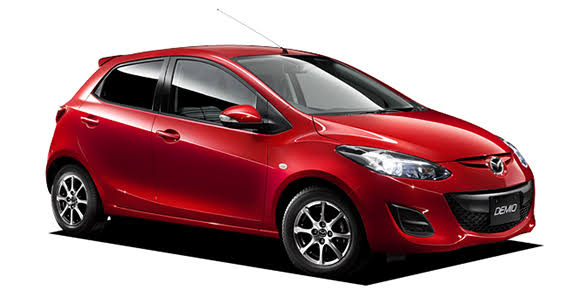
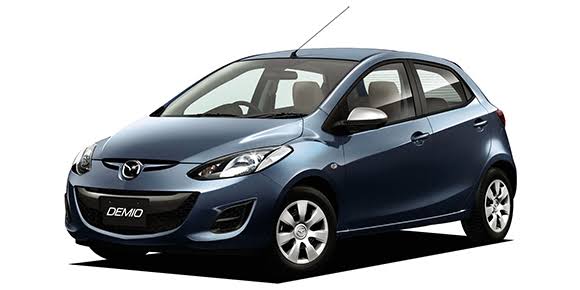
MAZDA DEMIO

#thesmallbeastsedition

The Mazda Demio is a supermini manufactured and marketed globally by Mazda since 1996, currently in its fourth generation. The Demio is marketed prominently as the Mazda2 and under previous nameplates including Mazda 121, Mazda Metro and Ford Festiva Mini Wagon.
First generation (DW; 1996–2002)
When it came to redesigning the Revue, Mazda came up with a tall hatchback, minivan-esque package (the Revue was already over 1,500 mm (59.1 in) tall). Introduced in a time full of negative press coverage, the Demio became a surprise hit for Mazda in Japan, and also foreshadowed the current crop of B-segment minivans such as the Opel Meriva, Fiat Idea and the Renault Modus.


Second generation (DY; 2002–2007)
The Demio was redesigned in 2002 on the DY platform. The Demio name continued in Japan, while the rest of the world dropped 121 and other names in favor of Mazda2. Since its debut, the 2 has been well received by the market pushing its Japanese domestic sale to as high as seventh place
The third generation Demio is built on the new DE platform, which Ford also used for the 2008 Ford Fiesta. It employs lightweight materials and reduces the overall dimensions of the car.

Uncategorized

FUN FACTS! ABOUT CARS REVOLUTION

Cars in the past were few, scarce and very rare commodity to own as an asset,it was rare to find scrap vehicles dumped in car yards. Infact,garages were the only places you could find cars dumped,this only happened when the mechanical problem or accident could not be solved hence declared a lost case.

Cars dumped in an estate after accidents and failed mechanical repairs (Nairobi,Kenya)

Nowadays you find car shells in the streets,in the villages and estates we live in. The number of cars on our roads now have increased in number tremendously. This was made possible after the process of owning a car was made easy and affordable. Dumping of cars increases now after the cost of fixing a car and getting a new one is almost the same.

Uncategorized

Introduce Yourself (Example Post)

This is an example post, originally published as part of Blogging University. Enroll in one of our ten programs, and start your blog right.

You’re going to publish a post today. Don’t worry about how your blog looks. Don’t worry if you haven’t given it a name yet, or you’re feeling overwhelmed. Just click the “New Post” button, and tell us why you’re here.

Why do this?

  • Because it gives new readers context. What are you about? Why should they read your blog?
  • Because it will help you focus you own ideas about your blog and what you’d like to do with it.

The post can be short or long, a personal intro to your life or a bloggy mission statement, a manifesto for the future or a simple outline of your the types of things you hope to publish.

To help you get started, here are a few questions:

  • Why are you blogging publicly, rather than keeping a personal journal?
  • What topics do you think you’ll write about?
  • Who would you love to connect with via your blog?
  • If you blog successfully throughout the next year, what would you hope to have accomplished?

You’re not locked into any of this; one of the wonderful things about blogs is how they constantly evolve as we learn, grow, and interact with one another — but it’s good to know where and why you started, and articulating your goals may just give you a few other post ideas.

Can’t think how to get started? Just write the first thing that pops into your head. Anne Lamott, author of a book on writing we love, says that you need to give yourself permission to write a “crappy first draft”. Anne makes a great point — just start writing, and worry about editing it later.

When you’re ready to publish, give your post three to five tags that describe your blog’s focus — writing, photography, fiction, parenting, food, cars, movies, sports, whatever. These tags will help others who care about your topics find you in the Reader. Make sure one of the tags is “zerotohero,” so other new bloggers can find you, too.