
Small diesel cars from different brands like Subaru and Mercedes in a parking lot
CAR OWNERSHIP

Best Small Diesel Cars in Kenya: Why & When to Choose Diesel

Diesel cars continue to be a smart choice for many drivers in Kenya, especially those looking for fuel efficiency, durability, and long-term value. While large diesel vehicles are common, small diesel cars such as hatchbacks, saloons, and station wagons are becoming increasingly popular.

These cars offer the perfect mix of low fuel consumption, practical size, and reliable performance, making them ideal for both city driving and long-distance travel.

Types of Small Diesel Cars in Kenya

Small diesel cars come in several categories:

1. Hatchbacks

Compact and easy to drive, hatchbacks are perfect for urban areas.

  • Example: Volkswagen Golf TDI, Mazda Demio Diesel

sky blue VW Golf on a track

2. Saloon Cars (Sedans)

Offer comfort and style, ideal for professionals and families.

  • Example: BMW 320d, Mercedes C220d
Mercedes C200D in a parking lot.

3. Station Wagons (Estates)

Provide extra space for luggage and family use.

  • Example: Toyota Fielder Diesel
Toyota Corolla Fielder representing the station wagons.

Why Choose a Small Diesel Car in Kenya?

1. Fuel Efficiency That Saves You Money

Diesel engines consume less fuel compared to petrol engines, especially on highways.

This makes diesel cars one of the most fuel-efficient options in Kenya.

2. Strong Engine Performance (High Torque)

Diesel engines produce more torque, meaning:

  • Better pulling power
  • Smooth acceleration
  • Easier overtaking

3. Perfect for Long-Distance Driving

If you regularly travel across towns or counties, diesel cars:

  • Perform better on highways
  • Reduce fuel costs significantly

4. Durability and Longevity

Diesel engines are built to last longer, especially with proper maintenance.

Ideal for drivers planning long-term ownership.

5. Great for Daily Use & Business

Small diesel cars are perfect for:

  • Ride-hailing (Uber/Bolt)
  • Daily commuting
  • Business use

When Should You Consider a Diesel Car?

You should consider a diesel car if:

  • You drive long distances regularly
  • You want to reduce fuel costs
  • You need a reliable everyday vehicle
  • You plan to keep your car for many years

BMW M2 competition Diesel black in colour.

When Diesel May NOT Be the Best Option

1. Short City Trips Only

Diesel engines are less efficient in constant stop-and-go traffic.

2. Higher Initial Cost

Diesel cars may cost more upfront than petrol cars.

3. Maintenance Requirements

Modern diesel engines require proper servicing and good-quality fuel.

Mechanic fixing a car to signify how important proper servicing for a diesel car is.

Why Choose a Small Diesel Car in Kenya?

Different small car Parallel parked.

1. Fuel Efficiency That Saves You Money

Diesel engines consume less fuel compared to petrol engines, especially on highways.

This makes diesel cars one of the most fuel-efficient options in Kenya.

2. Strong Engine Performance (High Torque)

Diesel engines produce more torque, meaning:

  • Better pulling power
  • Smooth acceleration
  • Easier overtaking

3. Perfect for Long-Distance Driving

If you regularly travel across towns or counties, diesel cars:

  • Perform better on highways
  • Reduce fuel costs significantly

4. Durability and Longevity

Diesel engines are built to last longer, especially with proper maintenance.

Ideal for drivers planning long-term ownership.

5. Great for Daily Use & Business

Small diesel cars are perfect for:

  • Ride-hailing (Uber/Bolt)
  • Daily commuting
  • Business use

When Should You Consider a Diesel Car?

You should consider a diesel car if:

  • You drive long distances regularly
  • You want to reduce fuel costs
  • You need a reliable everyday vehicle
  • You plan to keep your car for many years

When Diesel May NOT Be the Best Option

1. Short City Trips Only

Diesel engines are less efficient in constant stop-and-go traffic.

2. Higher Initial Cost

Diesel cars may cost more upfront than petrol cars.

3. Maintenance Requirements

Modern diesel engines require proper servicing and good-quality fuel.

Rear view of a VW Golf tail light.
Uncategorized

The evolution of Mazda

Mazda is a name that has become synonymous with progress and innovation. Over the years, the Japanese automaker has faced numerous challenges, but it has overcome them with sheer persistence and a commitment to excellence. From humble beginnings to becoming one of the top competitors in the global automotive market, Mazda’s journey is a testament to how consistency and evolution can lead to success. Today, the company is making waves worldwide, and its growth story is one of transformation and innovation.

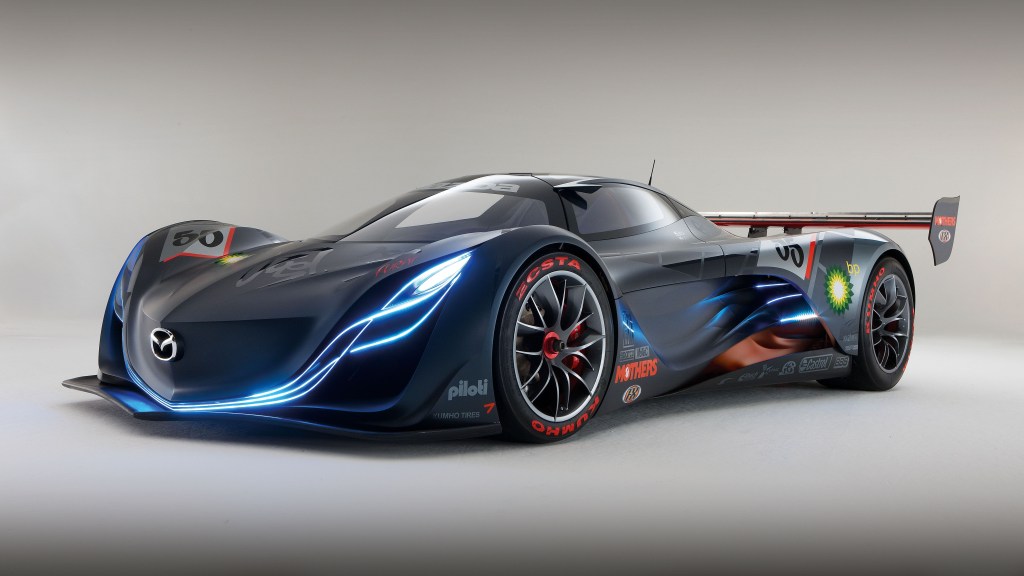
Mazda Furai

Mazda’s early years were marked by significant struggles. For a long time, the brand was criticized for engine reliability, durability issues, and subpar performance. Compared to its competitors, Mazda was often rated lower in crucial areas such as engine efficiency, longevity, and design. This left the company with a steep uphill climb in a competitive market where established brands like Toyota, Honda, and others dominated.

Despite these setbacks, Mazda remained undeterred. Instead of resting on its laurels, the company took these challenges as opportunities to learn, improve, and innovate. Rather than trying to replicate what competitors were doing, Mazda chose to forge its own path, eventually resulting in the company’s remarkable turnaround. The breakthrough moment for Mazda came in 2014, marking the beginning of a new era for the brand.

One of the most significant changes Mazda introduced was its new design philosophy. The brand reinvented its visual identity, embracing a sleek, modern, and distinctive design language. The result was vehicles that stood out on the road, with bold lines, elegant curves, and an emphasis on dynamic aesthetics.

The company’s new design philosophy wasn’t just about looks; it was about creating cars that were fun to drive, efficient, and ergonomic. Mazda’s KODO design language, which means “soul of motion,” reflects the brand’s dedication to producing vehicles that embody both style and substance. This approach helped Mazda gain a competitive edge, attracting customers who were seeking more than just a car but a driving experience that was engaging and exciting.

Performance was another area where Mazda made significant strides. One of the company’s biggest innovations in recent years has been the development of its Skyactiv technology. This set of cutting-edge technologies focused on improving fuel efficiency, reducing emissions, and enhancing driving performance without compromising on safety or reliability.

Skyactiv technology includes advanced engines, transmissions, and chassis, all of which contribute to a lighter, more responsive, and more fuel-efficient driving experience. The technology also allowed Mazda to achieve impressive improvements in both power and efficiency, addressing the previous criticisms the brand had faced regarding engine performance.

With Skyactiv, Mazda was able to offer cars that combined sporty handling with excellent fuel economy, ensuring that its vehicles were both fun to drive and environmentally friendly. This blend of performance and efficiency has helped Mazda attract a new generation of customers who value both excitement and practicality in their cars.

Another area where Mazda has seen significant improvement is in the durability and lifespan of its vehicles. In the past, the company struggled with reliability issues, which contributed to its lower ratings in comparison to competitors. However, in recent years, Mazda has made substantial progress in this area. Thanks to the combination of high-quality materials, engineering advancements, and rigorous testing, Mazda’s vehicles are now known for their long-lasting durability.

Mazda’s improved reputation for durability has become a key selling point. Customers are increasingly viewing the brand as a manufacturer of reliable vehicles with a proven track record of longevity. This shift has played a critical role in Mazda’s success, especially in markets that value the importance of vehicle lifespan, such as North America and Europe.

One of the key factors contributing to Mazda’s rise is its ability to make vehicles that are available globally. The company’s strong presence in diverse markets, including Africa, Asia, Australia, Canada, America, and the United Kingdom, has helped it expand its customer base and establish itself as a global brand. Mazda’s cars have become increasingly popular in both emerging and established markets, thanks to the brand’s commitment to building vehicles that cater to a wide range of preferences and needs.

The availability of Mazda’s parts and service networks worldwide has also played a crucial role in its success. Customers now have easy access to maintenance and spare parts, making ownership of Mazda vehicles more convenient and affordable in the long term.

Mazda’s resurgence in recent years has put the company in direct competition with some of the biggest names in the automotive industry. With its improved performance, reliability, design, and global presence, Mazda has made significant inroads in markets previously dominated by the likes of Toyota, Honda, Ford, and Volkswagen. The company is no longer just a small player in the automotive world but has emerged as a serious contender in the global market.

In fact, Mazda’s rise has made its competitors sit up and take notice. The company’s ability to combine high performance with low emissions, stylish design with practicality, and reliability with innovation has set a new benchmark for what consumers expect from an automobile. Mazda’s ability to challenge established brands is proof that persistence, consistency, and innovation can lead to success, even in the most competitive of markets.

Mazda’s Future Looks Bright

The rise of Mazda is a testament to the power of persistence, innovation, and adaptability. From its early struggles with engine issues and reliability concerns to becoming one of the top automotive brands in the world, Mazda has shown that a commitment to improvement and customer satisfaction can result in remarkable growth.

With its new design philosophy, groundbreaking Skyactiv technology, focus on durability, and strong global presence, Mazda is well-positioned to continue its upward trajectory. The brand has successfully positioned itself as a serious contender in the automotive industry, challenging its competitors and setting new standards for quality, performance, and design.

As Mazda continues to evolve, its journey serves as a powerful reminder that with the right mix of vision, hard work, and innovation, any company can rise above its challenges and achieve greatness. Mazda’s rise is far from over, and the future looks incredibly promising for this remarkable brand.