
The unveiling of the Toyota Land Cruiser J250 marks a significant departure from its predecessor, the J200 series. This new design showcases a sleek exterior that sets it apart from other models within the Land Cruiser lineup, aiming for a more modernistic appeal. Unlike the robust, traditional aesthetics of past iterations, the J250’s design seems tailored to compete with luxury SUVs at the higher end of the market, emphasizing both elegance and functionality.
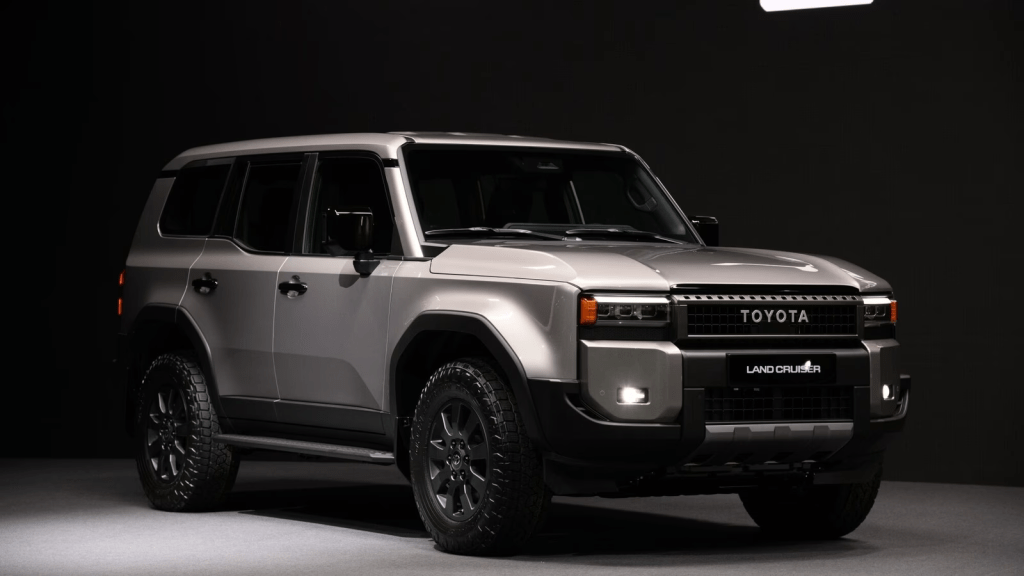
A crucial shift in this model is the transition to a V6 engine configuration. While the Land Cruiser has historically wielded V8 engines, which are known for their power and durability, the J250 opts for a more efficient turbocharged V6. This change is purported to enhance fuel efficiency and performance, aligning with the industry’s growing emphasis on sustainability without compromising power. The new engine options, including a 2.4-liter turbocharged hybrid variant, claim impressive outputs of around 326 horsepower, reflecting Toyota’s commitment to innovation in their engine technology.
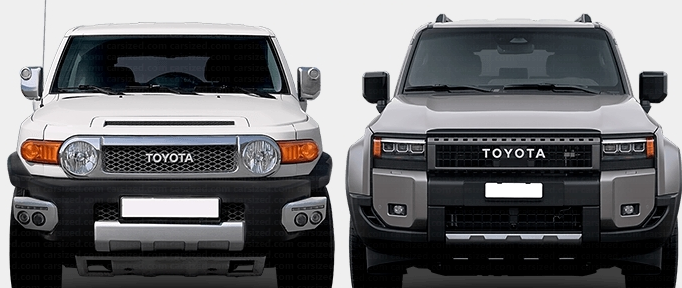
The decision to phase out the FJ Cruiser adds another layer of strategy to Toyota’s evolution. The FJ, while iconic, did not meet the growing consumer demand for more sophisticated and versatile vehicles. By focusing on the J250, Toyota signals its intent to cater to a market that values durability paired with modern comforts and advanced technology.

Yet, as we dissect the implications of the J250’s features and Toyota’s broader strategy, the real question arises: Is this a game changer? With competitors rapidly innovating in the realm of electric vehicles, the J250’s design and engineering could be seen as a precursor to Toyota’s future direction. Its adaptability to hybrid powertrains indicates a proactive approach toward evolving automotive landscapes, showcasing that Toyota is not merely a manufacturer of robust off-road vehicles but a player willing to redefine market norms.
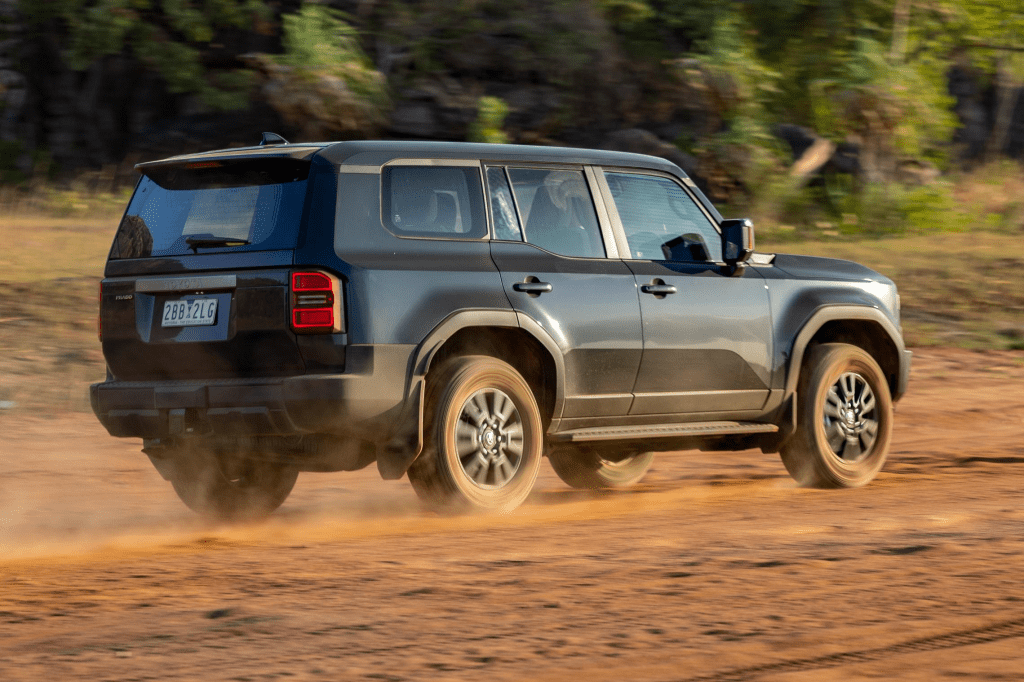
In conclusion, while the new Land Cruiser J250 represents a bold move away from traditional designs and engine specifications, its success will hinge not just on performance, but on how well it integrates into the changing automotive ethos, particularly regarding upcoming trends in electrification and customer expectations. The J250 could very well be a landmark in Toyota’s longstanding legacy if it captures the hearts of consumers looking for a balance between tradition and modernity.

 MOTOR UNIVERSE